November 9, 2026·5 min read
Mobile Bar Insurance: What Coverage You Need and How to Get It
A plain-English guide to mobile bar and mobile bartender insurance: general liability, liquor liability, commercial auto, equipment coverage, certificates of insurance, and the questions to ask before you buy a policy.

Updated November 10, 2026
Insurance is the one part of a mobile bar business you can't skip. Most venues won't let you load in without proof of coverage, and a single alcohol-related claim can cost more than your cart. This guide covers the policies most mobile bars carry, what venues ask for, and how to shop for a policy without overpaying.
#The two policies almost every mobile bar needs
General liability covers injuries and property damage you cause to other people at an event. A guest trips over your keg line, or your cart scuffs a ballroom floor. It's the baseline policy venues expect from any vendor.
Liquor liability covers claims that come from serving alcohol, like an over-served guest who causes an accident after the event. General liability policies usually exclude these claims for businesses that serve alcohol, which is why liquor liability is a separate policy or add-on. If you pour, you need it, whether the client buys the alcohol or you do.
#Other coverage to consider
- Commercial auto. If you drive or tow to events for work, a personal auto policy may not cover it. Ask your agent how your vehicle and anything you tow are covered.
- Equipment or inland marine coverage. Protects your cart, taps, refrigeration and gear from theft or damage while they're on the road or at an event. General liability doesn't cover your own equipment.
- Workers' compensation. Required in most states once you have employees. Rules vary on contractors, so ask before your first hire.
- Umbrella or excess liability. Raises your limits above your main policies. Some large venues and corporate clients ask for higher limits than a standard policy carries.
#What venues will ask for
Expect three requests before most events.
- A certificate of insurance (COI). A one-page summary from your insurer showing your coverage and limits.
- Additional insured status. The venue wants to be named on your policy for that event. Many insurers let you add venues yourself online.
- Minimum limits. Venues often list required limits in their vendor agreement, and $1 million per occurrence is a common starting point. Read the agreement before you quote the event so there are no surprises.
Keep a COI template ready and know how to add an additional insured quickly. A missing certificate is one of the most common reasons vendors get turned away at load-in.
#Annual vs. per-event policies
An annual policy covers every event during the year and is usually the better value once you're booking regularly. Per-event coverage works for testing the market with a handful of events, but the cost per event adds up quickly. Many operators start per-event and switch to annual once the calendar fills.
#How to shop for mobile bar insurance
- Use a broker who writes event or bartending policies. They know what venues require and which carriers cover mobile bars.
- Get at least three quotes, and compare limits, exclusions and deductibles, not just the premium.
- Ask about exclusions for assault and battery, serving minors, and events where guests bring their own alcohol.
- Confirm how fast you can get a COI and add additional insureds. Same-day matters when a venue asks the week of the event.
- Check whether your bartenders are covered, including contract bartenders you bring in for large events.
Responsible service certification such as TIPS can make you easier to insure and is required or expected in many areas. Our guide to mobile bar liquor licenses and insurance covers the licensing side.
Insurance is one line in your startup budget. See the full picture in the cost of starting a mobile bar business, and the complete launch sequence in how to start a mobile bar business.
#Sources
- U.S. Small Business Administration: Get business insurance
- Alcohol and Tobacco Tax and Trade Bureau (TTB): Alcohol beverage control boards by state, to check your state's alcohol service rules
- TIPS (Training for Intervention ProcedureS): gettips.com
#Keep reading
- Planning your launch? Our Starter Business Package pairs the cart with TIPS vouchers and a 90-day education program.
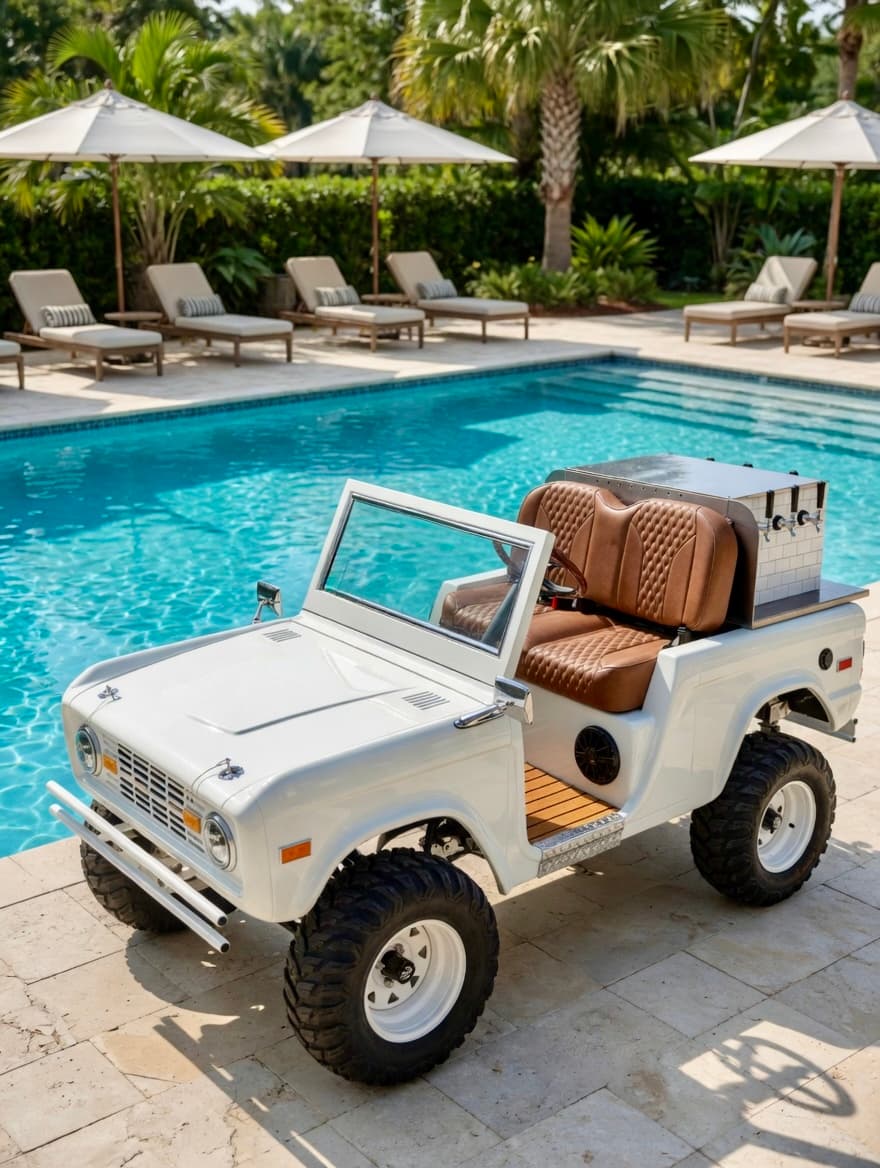
- See the Vintage Bar Co. mobile bar cart: six taps, refrigeration and a vintage body, built to order.
FAQ
Do mobile bars need insurance?
In practice, yes. Most venues require proof of general liability and liquor liability coverage before you can set up, and serving alcohol without liquor liability leaves you personally exposed to claims.
What insurance does a mobile bartender need?
The core policies are general liability and liquor liability. Depending on your setup, add commercial auto, equipment coverage for your cart and gear, and workers' comp once you have employees.
Is liquor liability included in general liability insurance?
Usually not for businesses paid to serve alcohol. General liability policies typically exclude alcohol-related claims for these businesses, so liquor liability is bought as a separate policy or endorsement.
What is a certificate of insurance for a mobile bar?
A one-page document from your insurer that shows your coverage types and limits. Venues ask for it before your event, often with the venue named as additionally insured.
Can I get insurance for a single event?
Yes, some insurers offer per-event liability and liquor liability coverage. It suits occasional operators, while an annual policy is usually cheaper once you book regularly.
How much does mobile bar insurance cost?
It depends on your state, limits, number of events, alcohol sales and claims history, so get several quotes from a broker who writes event or bartending policies and compare coverage, not just price.
This guide is general information, not legal or insurance advice. Coverage and requirements vary by state and insurer, so confirm details with a licensed agent.
Tagged
Related reading
Jul 5, 2026
Mobile Bar Liquor License and Insurance: What You Actually Need
Do you need a liquor license for a mobile bar? Usually it depends on whether you sell or serve the alcohol. Here's a plain-English rundown of the liquor licenses, permits, and insurance most mobile bars need — and how to confirm the rules for your state.
Nov 10, 2026
Do You Need a Liquor License for a Mobile Bar? A State-by-State Approach
Whether a mobile bar needs a liquor license depends on who buys the alcohol and your state. Learn the rules and what to ask your state ABC agency.
Nov 7, 2026
How to Start a Mobile Mixology Bar: Menu, Equipment, Licensing and Pricing
A mobile mixology bar sells a designed cocktail experience instead of general bar service. Here's how to build the menu, choose equipment, handle licensing, train your team and price craft cocktails for weddings and corporate events.