November 7, 2026·6 min read
How to Start a Mobile Mixology Bar: Menu, Equipment, Licensing and Pricing
A mobile mixology bar sells a designed cocktail experience instead of general bar service. Here's how to build the menu, choose equipment, handle licensing, train your team and price craft cocktails for weddings and corporate events.

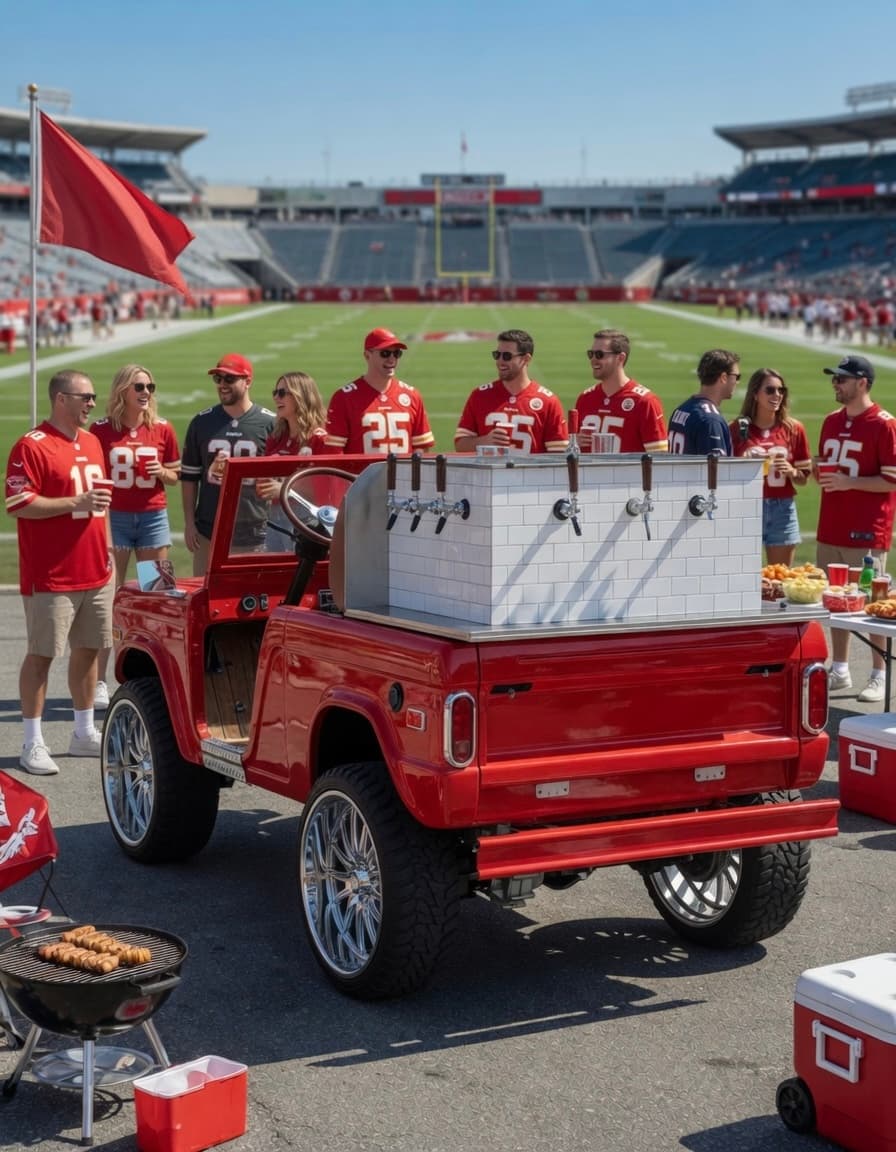
A mobile mixology bar is a mobile bar business built around craft cocktails. Instead of pouring whatever the client stocks, you design a menu for the event, prep fresh ingredients and serve drinks that guests remember and photograph. The setup, licensing and booking work are the same as any mobile bar business. The difference is the product you sell.
#What makes it different from a regular mobile bar
A general-service mobile bar sells hours and bartenders. A mixology bar sells a menu. That shift changes three things.
The consultation becomes part of the product. Clients expect a tasting or at least a menu conversation, and they'll pay for drinks named after the couple or built around a company's colors. Prep moves before the event, with syrups, infusions, cordials and garnishes made the day before so service stays fast. And the skill bar goes up, since a guest who orders a smoked old fashioned is judging the drink, not just the speed.
None of this needs a new kind of business. It needs a sharper offer on top of the same foundation.
#Step 1: Pick a style you can repeat
The strongest mixology bars are known for one thing. That might be classic cocktails done right, garden-to-glass drinks built on fresh herbs and fruit, low-ABV spritzes for daytime weddings, or a full zero-proof menu for corporate and wellness events.
Pick the style that fits the events you want to book and that you can deliver the same way at the 10th event as the first. A narrow, clear offer is easier to photograph, easier to sell to planners and easier to staff.
#Step 2: Build a menu that works under pressure
A cocktail that takes four minutes to build will sink you at a 200-guest reception. Design every menu around service speed first.
- Keep the signature list short. Four to six drinks covers most events. Clients feel spoiled and your team stays fast.
- Batch what you can. Pre-mix the spirit and modifier portion so each drink finishes with ice, a top and a garnish.
- Always include a zero-proof drink with the same care as the cocktails. Designated drivers and non-drinkers notice.
- Cost every recipe. Write down the pour cost per drink so you can price packages from real numbers. Our mobile bar pricing guide walks through the math.
If you want a starting point, our fall and winter cocktail recipes and spring and summer recipes include batch measurements for groups.
#Step 3: Choose equipment built for volume
Shakers and a bar spoon get you through a backyard party. Events with 100 or more guests need a setup that keeps drinks cold and moving.
Taps change the math for a mixology bar. Batched cocktails, spritzes, cold brew and zero-proof drinks can all pour from a keg, so a guest gets a craft drink in a few seconds while your bartender finishes garnishes. Check your state's rules on serving pre-batched cocktails from kegs before you build a menu around it.
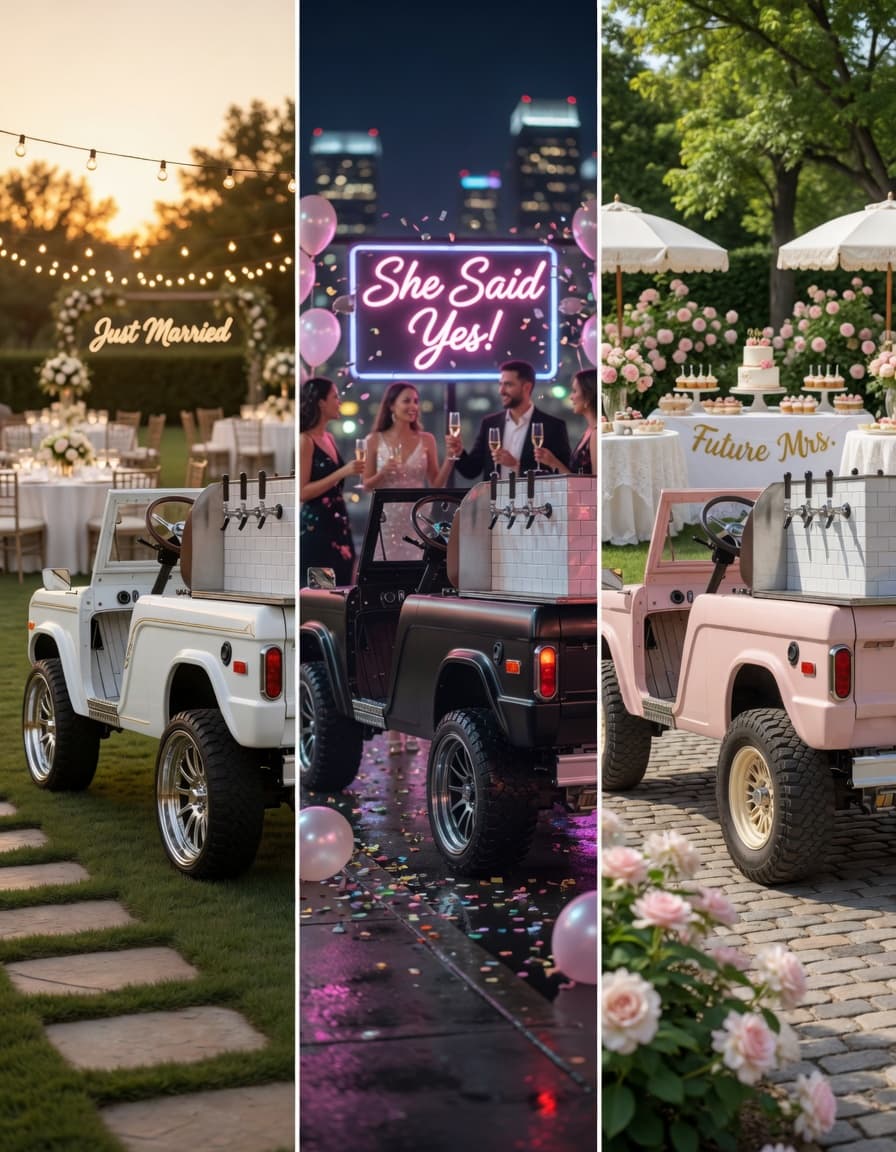
Beyond taps, plan for refrigeration that holds ingredients cold through a long event, enough ice storage for the guest count, a clean prep surface and lighting for evening service. And because guests photograph the bar before they order, the look of the setup is part of the product too. Our guide to premium ingredients and tools covers the smaller gear.
#Step 4: Handle licensing and insurance
Mixology doesn't change the licensing picture. What matters is whether the client buys the alcohol and you provide service, or you sell drinks yourself. Most new operators start with client-supplied alcohol because the licensing is simpler in many states.
Either way you'll need a business license and liquor liability insurance, and many venues will ask for proof before you load in. Bartender certification such as TIPS is required or expected in many areas. Read our full guide to mobile bar liquor licenses and insurance, then confirm the rules with your state's alcohol beverage control board.
#Step 5: Train for craft and speed
Craft without speed creates a line, and speed without craft is a regular bar. Train both.
Practice each menu until your team can build every drink from memory, set up the bar the same way every time so nobody hunts for a jigger mid-rush, and run a timed rehearsal with friends before your first paid event. Responsible service training matters as much as recipes, so get certified before you pour for paying guests.
#Step 6: Price the menu, not just the hours
Hourly bartender rates undersell a mixology bar. Package pricing captures the work clients are paying for.
A common structure is a base package that covers setup, bartenders and a set service window, with a signature cocktail menu, custom drink names, a tasting consultation and premium garnishes priced as add-ons or higher tiers. Price from your true costs per event, including prep time, ingredients, travel and insurance, then check what other mixology bars in your area charge. Our free startup cost calculator helps with the up-front side.
#Step 7: Market the drinks
A mixology bar sells through photos. Post the drinks, the garnishes and the bar itself at real events, and give planners and venues a one-page menu sample they can show clients.
Wedding venues, corporate event planners, golf courses and caterers all book bars for events, and a planner who trusts your service will send repeat work. Our post on the mobile bar target market covers how to reach each one.
#Keep reading
- See the Vintage Bar Co. mobile bar cart: six taps, refrigeration and a vintage body, built to order.
- Already running a bar? See how operators add a mobile bar cart to their fleet.
FAQ
What is a mobile mixology bar?
A mobile bar business that sells a designed craft cocktail experience, usually with a custom menu, fresh ingredients and skilled bartenders, instead of general bar service.
How is a mobile mixology bar different from a mobile bar?
The equipment, licensing and booking channels are the same. A mixology bar sells a curated cocktail menu and craft service, so it depends more on recipe development, prep and bartending skill, and it's usually priced as a premium package.
Do I need a liquor license for a mobile mixology bar?
It depends on your state and on whether you sell alcohol or serve alcohol your client buys. Many operators start with client-supplied alcohol, which often needs only a business license, liquor liability insurance and sometimes event permits. Confirm with your state's alcohol beverage control board.
How many cocktails should be on a mobile mixology menu?
Four to six signature drinks plus at least one zero-proof option works for most events. A short list keeps service fast and makes each drink feel special.
Can you serve cocktails from a tap at a mobile bar?
Yes, batched cocktails, spritzes and zero-proof drinks can pour from kegs, which speeds up service at large events. Rules for pre-batched cocktails vary, so check with your state before you plan a menu around them.
Do I need bartending experience to start a mobile mixology bar?
It helps, but you can learn the technique or hire bartenders who have it. Responsible service certification such as TIPS is required or expected in many areas, and practicing your menu under time pressure matters more than knowing hundreds of recipes.
Tagged
Related reading
Jul 8, 2026
How to Start a Mobile Bar Business: The Complete Guide
A mobile bar business is one of the most approachable ways into the events industry — if you get the equipment, licensing, pricing, and booking right. Here's the full path from idea to first paid event, step by step.
Jul 3, 2026
How to Write a Mobile Bar Business Plan (With Template)
A mobile bar business plan doesn't need to be 40 pages — it needs to answer the questions that decide whether the business works. Here's a section-by-section template covering concept, market, operations, pricing, and financials.
Nov 10, 2026
Do You Need a Liquor License for a Mobile Bar? A State-by-State Approach
Whether a mobile bar needs a liquor license depends on who buys the alcohol and your state. Learn the rules and what to ask your state ABC agency.