July 3, 2026·4 min read
How to Write a Mobile Bar Business Plan (With Template)
A mobile bar business plan doesn't need to be 40 pages — it needs to answer the questions that decide whether the business works. Here's a section-by-section template covering concept, market, operations, pricing, and financials.

Updated August 5, 2026
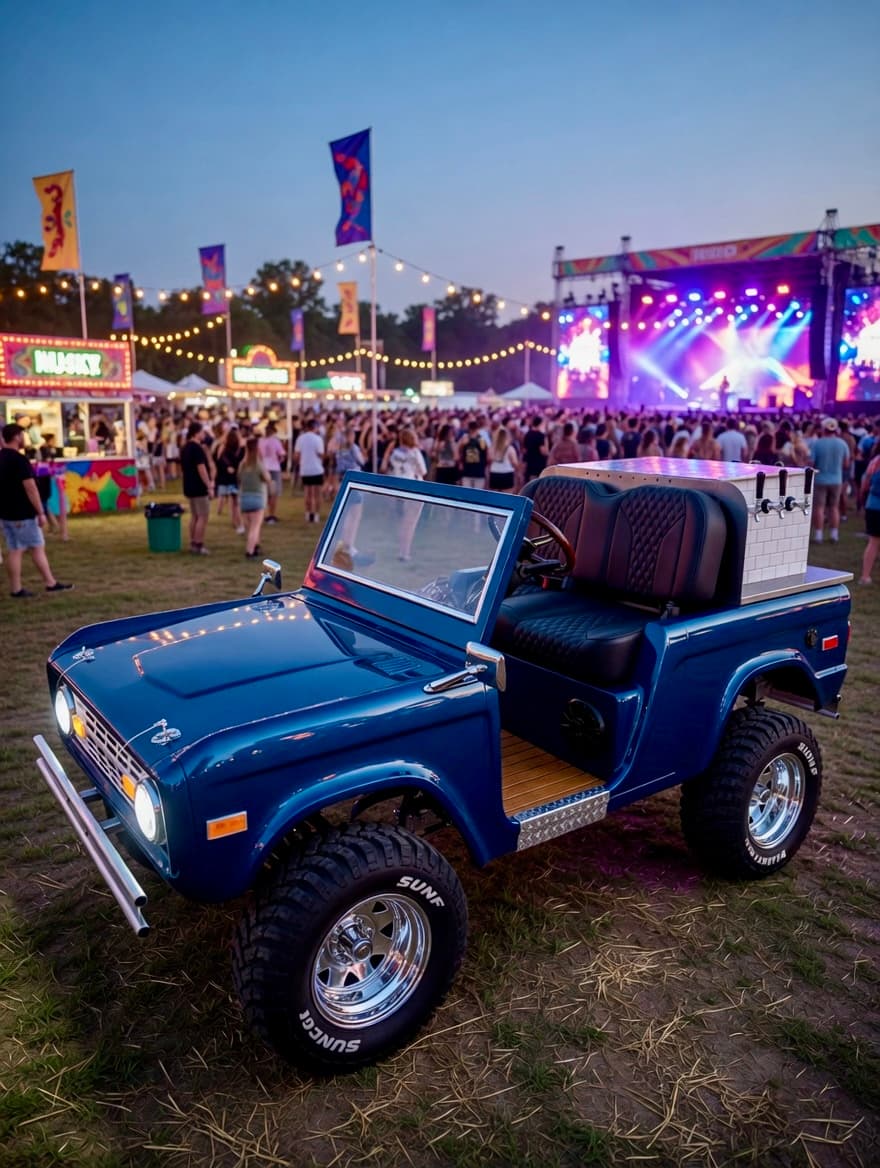
A mobile bar business plan isn't a formality — it's the document that forces you to answer the questions that actually decide whether the business works. It doesn't need to be forty pages. It needs to be honest about your market, your numbers, and how you'll fill a calendar. Here's a template you can fill in section by section.
#1. Executive summary
One paragraph, written last. What the business is, who it serves, what makes it different, and the headline of your financial plan. If someone reads only this, they should understand the whole thing.
#2. Concept and offering
Define exactly what you sell:
- Service model — dry-hire/service (client supplies alcohol) or full beverage (you sell it). This drives your licensing and pricing.
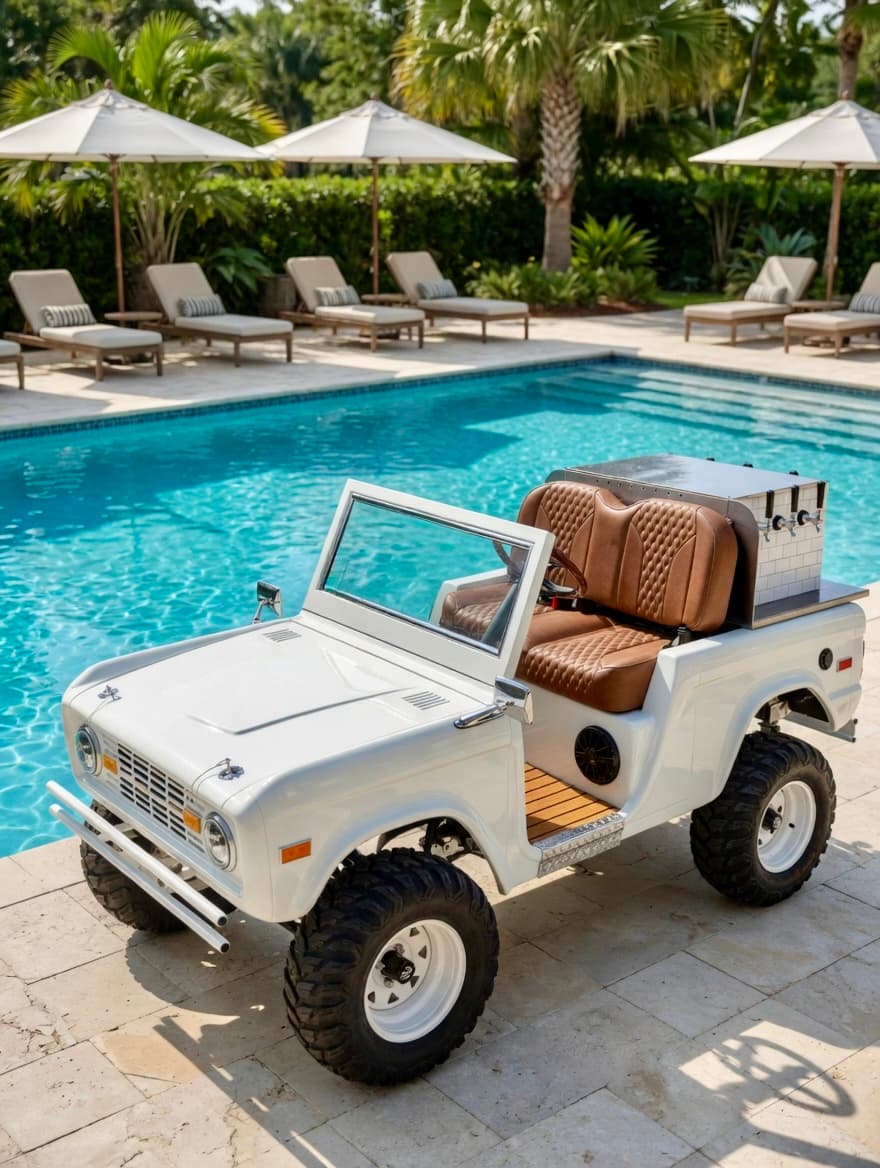
- Equipment — your cart, trailer, or truck, and what makes it distinctive.
- Packages — the two or three tiers you'll offer and what's in each.
- The experience — what a client and their guests actually get. This is your differentiator; be specific.
#3. Market and target customer
Who books you, and who else they could book instead:
- Primary customers — weddings, corporate events, private parties, brand activations. Rank them by opportunity in your area.
- Local demand — venues, wedding volume, and event activity within your travel radius.
- Competitors — who else offers mobile bars locally, what they charge, and where the gap is. Your edge might be the cart, the service, the niche, or the professionalism.
#4. Operations plan
How the business actually runs, event to event:
- Sourcing — where you buy inventory and how you get wholesale pricing.
- Staffing — you solo, or with certified bartenders; how you cover multiple events.
- Event workflow — booking, prep, setup, service, teardown, follow-up.
- Equipment and storage — maintenance, transport, and where the cart lives between events.
#5. Marketing and sales plan
The section most plans hand-wave — and the one that determines survival:
- Venue and planner relationships — your highest-value channel; how you'll get on preferred-vendor lists.
- Social proof — Instagram/Pinterest as your portfolio, reviews, and referrals.
- Marketplaces — The Knot, WeddingWire, Zola for wedding-heavy markets.
- Response system — how fast and how professionally you handle every inquiry (this wins more bookings than price).
#6. Licensing, insurance, and legal
List what your state and target venues require: business entity, liquor liability and general liability insurance, permits, and bartender certification. If you don't know yet, your action item is a call to your state ABC board. See our licensing and insurance guide for the full checklist.
#7. Financial plan
The numbers that make it real:
- Startup costs — equipment, licensing, insurance, initial inventory, branding, and a working-capital cushion. Our cost to start a mobile bar business guide breaks these down.
- Pricing — your packages and average revenue per event (see the pricing guide).
- Cost per event — labor, inventory, transport, and overhead allocation.
- Break-even — how many events per month cover your costs.
- A simple projection — conservative, realistic, and optimistic event volume for year one.
#Turn the plan into a launch
A plan is only useful if it becomes action. The through-line of a good mobile bar plan is that the equipment is the easy part — the market, operations, pricing, and booking are where the business is won or lost.
For the full launch sequence, read how to start a mobile bar business.
FAQ
What should a mobile bar business plan include?
At minimum: an executive summary, your concept and packages, target market and competitors, an operations plan, a marketing and sales plan, licensing and insurance requirements, and a financial plan covering startup costs, pricing, cost per event, and break-even.
Do I need a business plan to start a mobile bar?
You don't need a formal document to book events, but working through each section forces you to answer the questions — pricing, licensing, booking — that most often trip up new operators. Even a two-page version is worth writing.
How do I project revenue for a mobile bar?
Estimate your average revenue per event from your packages, then project realistic monthly event volume based on your actual booking channels (venues, planners, marketplaces). Model conservative, realistic, and optimistic cases and plan around the conservative one.
Tagged
Related reading
Jul 8, 2026
How to Start a Mobile Bar Business: The Complete Guide
A mobile bar business is one of the most approachable ways into the events industry — if you get the equipment, licensing, pricing, and booking right. Here's the full path from idea to first paid event, step by step.
Aug 6, 2026
How Important Is Communication with Clients Before an Event?
Pre-event communication is the insurance policy for a smooth event. The touchpoints that build trust, surface curveballs early, and leave nothing to figure out on the day.
Aug 6, 2026
How to Collect and Use Customer Feedback in Your Mobile Bar Business
Feedback is free market research — if you actually collect it. Simple systems for gathering client input after every event, and how to turn it into better packages, better reviews, and more bookings.